April 18, 20242 yr #1 Once again, I'm seeking the assistance of experts in an unfamiliar (to me) branch of service (my family were all Royal Navy). I recently acquired the WWII identification disks of RAFVR pilot Philip Augustus Bush (1921-2020). His OR number, 1270302, shows that he entered the RAFVR in May 1940 at (probably) Uxbridge. Thereafter, two listings in the London Gazette announce his "W/O appointment to commission as Plt Off on prob. (emergency)" on 29 April, 1945 and his subsequent "Confirmation and promotion" on 29 October, 1945. His commissioned service number was 198211. This all seemed normal for the wartime commissioning of pilots according to an article I read; "Warrant Officers were commissioned straight into Flying Officer rank, bypassing Pilot Officer. This recognised their service experience prior to commission. However, all promotions were for a probationary period of approximately 6 months before seniority in rank was confirmed." So far, so good. However, looking further into RAF ranks, it seemed to me that Warrant Officers - those bearing the 'Tate and Lyles' on their sleeves - were senior NCOs along the lines of a Sergeant Major in the army. So, whilst I can easily get my head around 'Flight Sergeant' to 'Pilot Officer', I can't quite see a seasoned W/O (who I've always imagined as being high ranking ground crew) making the change to flyer. I know that I'm completely missing the point somewhere due to my ignorance of RAF procedures and ranks but, if someone could step in and throw some light on this in order for me to better understand Flying Officer Bush's service history, I would be extremely grateful! Cheers, Simon
May 3, 20242 yr #3 Hello ManinJapan. Have you considered dropping the Royal Air Force Museum a line at london@rafmuseum.org I'm sure either the curator or collections staff will be able to give you a definitive answer. Gunner
May 3, 20242 yr #4 For reference A Question What are these British ID Tags made out of, Painted Metal or Colored Bakelite?
May 3, 20242 yr Author #6 12 hours ago, patches said: For reference A Question What are these British ID Tags made out of, Painted Metal or Colored Bakelite? Coloured Bakelite. In the 50s it changed to metal, I believe. 15 hours ago, Gunner87 said: Hello ManinJapan. Have you considered dropping the Royal Air Force Museum a line at london@rafmuseum.org I'm sure either the curator or collections staff will be able to give you a definitive answer. Gunner Many thank for that, Gunner! Much appreciated!
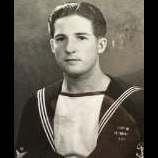
July 31, 2025Jul 31 #7 31 July 2025 Taunton, Somerset Good afternoon, This is really interesting. My wife and I were looking into her heritage and we came upon your post. The ID tags are those of her father who died not long ago a few weeks short of his hundredth birthday. She is Elizabeth, his eldest child. It would be good to find out how you acquired them; she was left a legacy but no artifacts were handed down to her. incidentally, W/O stands for War Office. WOs did not exist in the RAF until 1996. Sincerely, Tinker
July 31, 2025Jul 31 #8 "OFFR C.E." stands for "Offered, Church of England", indicating a religious preference. "R.A.F.V.R." stands for "Royal Air Force Volunteer Reserve". "Army Order 287 of September 1916 required the British Army provide all soldiers with two official tags, both made of vulcanised asbestos fibre (which were more comfortable to wear in hot climates) carrying identical details, again impressed one character at a time. The first tag, an octagonal green disc, was attached to a long cord around the neck. The second tag, a circular red disc, was threaded on a 6-inch cord suspended from the first tag. The first tag was intended to remain on the body for future identification, while the second tag could be taken to record the death." This remained in force for all military branches through the end of the Second World War. "British WWII RAF Dog tag of the Jewish soldier Astman, identification number 775923. Both tags were made from compressed asbestos, the red fireproof and the grey rot proof." Source: https://www.wikiwand.com/en/articles/Dog_tag_(identifier) There was only one warrant officer rank in the Royal Air Force during the Second World War. Source {first image}: https://grenadiermilitaria.com/product/royal-air-force-ww2-warrant-officer-rank-insignia/ The reference to "Tate & Lyles" in Post #1...
Create an account or sign in to comment